Traveling on a budget often feels like an insurmountable challenge, especially when your wallet isn't as deep as your wanderlust. I found myself in such a situation when I decided to explore Calabar with just ₦10,000. It seemed daunting at first, but what followed was an unforgettable journey filled with vibrant culture, delicious food, and surprising adventures.
Calabar, located in southeastern Nigeria, is renowned for its rich history, cultural festivals, and welcoming people. As I planned the trip, the budget constraints made it crucial to be strategic. I relied heavily on local insights and recommendations, which proved invaluable. Let's delve into how I navigated this beautiful city without breaking the bank.
Planning the Trip
Setting a Realistic Budget
My initial step was to allocate the ₦10,000 wisely. Accommodation, food, and transportation were my primary concerns. I decided to dedicate ₦3,000 for accommodation, ₦3,000 for food, and the remaining ₦4,000 for transportation and activities.
Choosing Affordable Accommodation
After some research, I opted for a budget-friendly guesthouse in Calabar's bustling city center. The lodge cost ₦2,500 per night, leaving a little room for any unexpected expenses.
"Staying at local guesthouses not only saves money but also provides a genuine feel of the local culture."
Experiencing Calabar's Culture
Free and Low-Cost Attractions
- Calabar Museum: Entry was only ₦200. The museum offered a fascinating glimpse into Calabar's colonial history.
- Cross River National Park: Although I couldn't afford guided tours, hiking the free trails was a refreshing experience.
- Marina Resort: With free entry, the picturesque views of the Calabar River were all I needed for a perfect evening.
Local Food Adventures
Food can often eat into your budget. Luckily, Calabar's street food scene is both delicious and affordable. I savored dishes like Afang soup and Edikang Ikong for as low as ₦300 per meal.
"Sampling street food is not only economical, but it's also the quickest way to immerse yourself in local flavors."
Getting Around the City
Public Transport Options
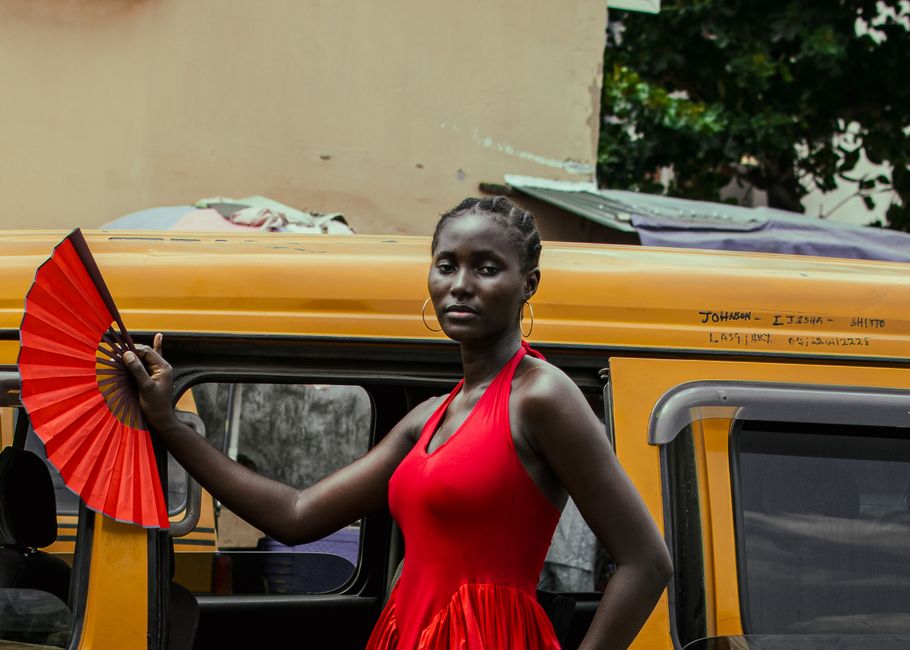
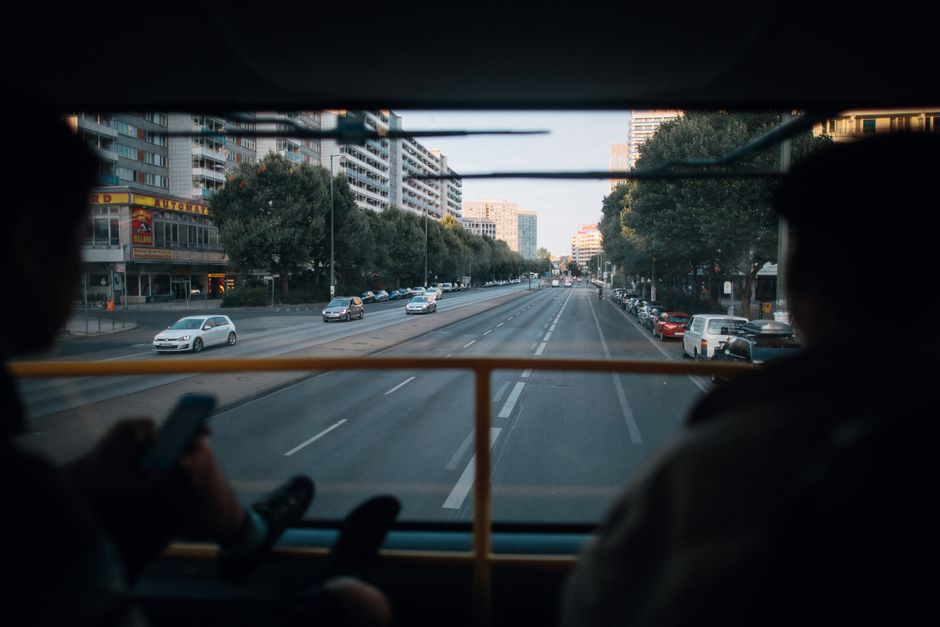
Calabar's public transport system is extensive and affordable. I relied on minibuses and okadas (motorcycles) to travel around. Most rides cost between ₦50 to ₦100, allowing me to explore widely without overspending.
Walking Tours
Many attractions were close enough to be reached on foot. Walking not only saved money but also provided an intimate way to appreciate the city's daily life.
Unexpected Challenges and Solutions
Stretching the Budget
Despite meticulous planning, I faced unexpected expenses. A quick chat with locals helped me find free events around town, such as street performances and local markets, which were both entertaining and educational.
Embracing Local Hospitality
One of the highlights was the warmth of the Calabar people. On several occasions, locals invited me to join communal meals, saving me money and giving me a deeper insight into their culture.
Final Thoughts
Exploring Calabar on a ₦10,000 budget was not just possible, but it was incredibly rewarding. With the right planning and a touch of local guidance, I experienced the best of what Calabar had to offer without financial strain. This journey taught me that budget constraints can pave the way for authentic travel experiences, revealing the heart of a place and its people.
"Travel is not just about seeing new places, but about how you experience them. Budget travel is not a limitation, but an invitation to authentic adventures."