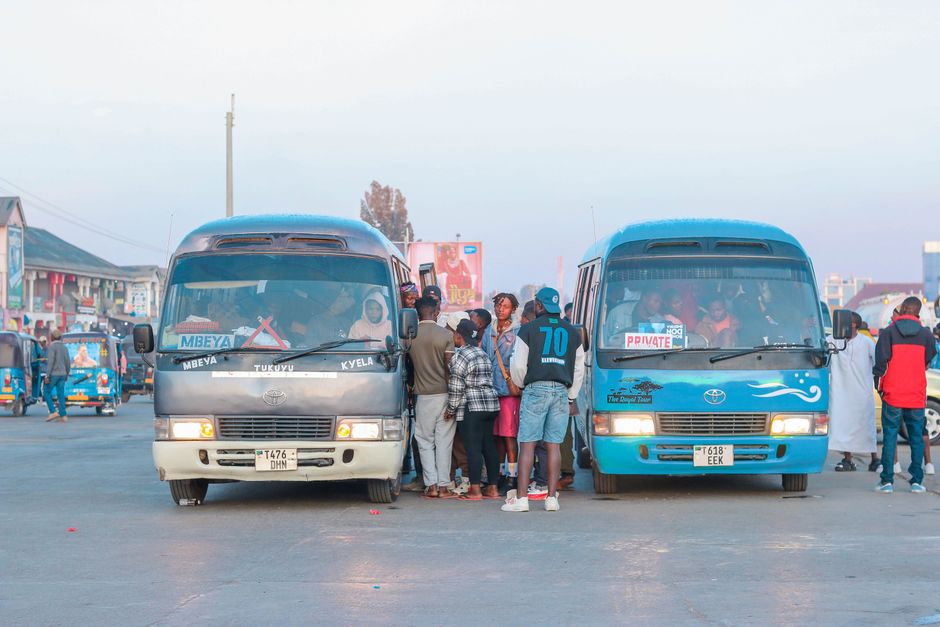
When traveling on a budget in Nigeria, choosing between taking a bus or a train can be a key decision that affects your overall experience. Both modes of transport offer unique advantages and challenges, and understanding these can help you make the most financially wise choice. The question is, which one should you opt for? Let’s dive into the details.
The Cost Factor: Bus vs. Train
For budget travelers, cost is often the first consideration. In Nigeria, bus travel is generally more affordable than train travel. However, the price difference can vary significantly based on the route and service provider.
Bus Travel Costs
Bus fares in Nigeria are often cheaper, especially for short to medium distances. Companies like God is Good Motors and ABC Transport offer competitive rates that attract many budget-conscious travelers. For example, a trip from Lagos to Abuja on a standard bus might cost around ₦5,000 to ₦8,000.
Train Travel Costs
On the other hand, train travel tends to be pricier. For instance, a Lagos to Kano train ticket can range from ₦2,500 for economy class to ₦6,000 for a sleeper cabin. While trains can be more expensive, they offer a unique experience that can sometimes justify the higher cost.
Travel Time: Efficiency Matters
Time is another crucial factor when choosing between buses and trains. Consider how much time you have and whether you prioritize speed over cost.
Bus Travel Time
Buses can be relatively quick for short distances but often get delayed due to traffic and road conditions, especially on highways leading to major cities like Lagos and Abuja. A bus journey can take anywhere from 6 to 10 hours depending on the traffic.
Train Travel Time
Trains may offer a more predictable schedule, albeit with longer travel times. For a long route like Lagos to Kano, the train takes about 24 hours. While slower, trains offer the advantage of fewer delays due to traffic.
Comfort and Experience: What’s Your Preference?
Comfort can make or break a travel experience, particularly for long journeys. Both buses and trains have their own set of pros and cons in this respect.
Bus Comfort
Modern buses in Nigeria are increasingly offering comfortable seating, air conditioning, and on-board entertainment. However, cramped seating and long hours can be taxing, especially in older buses.
Train Comfort
Trains, particularly those on long-distance routes, offer more spacious seating and the freedom to move around. Sleeper cabins provide additional comfort, making them a viable option for overnight travel.
Safety and Reliability: A Key Consideration
Safety is always a concern for travelers. Both buses and trains have their own safety records and should be considered when planning your trip.
Bus Safety
Buses often face challenges such as road accidents and highway robberies. However, choosing reputable bus companies like God is Good Motors can mitigate these risks.
Train Safety
Trains are generally considered safer, with fewer accidents and security risks. The Nigerian Railway Corporation has made strides in improving safety and reliability over the years.
Final Thoughts
Choosing between bus and train travel in Nigeria depends on your personal priorities—be it cost, time, comfort, or safety. For those on a tight budget, buses might be the way to go. However, if comfort and safety are your main concerns, trains offer a compelling alternative.
"In the end, the best choice depends on your specific needs and circumstances. Understanding the trade-offs between cost, time, and comfort can guide you to a decision that suits you best."
So, whether you're planning a quick trip to a neighboring city or embarking on a cross-country journey, weigh these factors wisely for a rewarding travel experience.