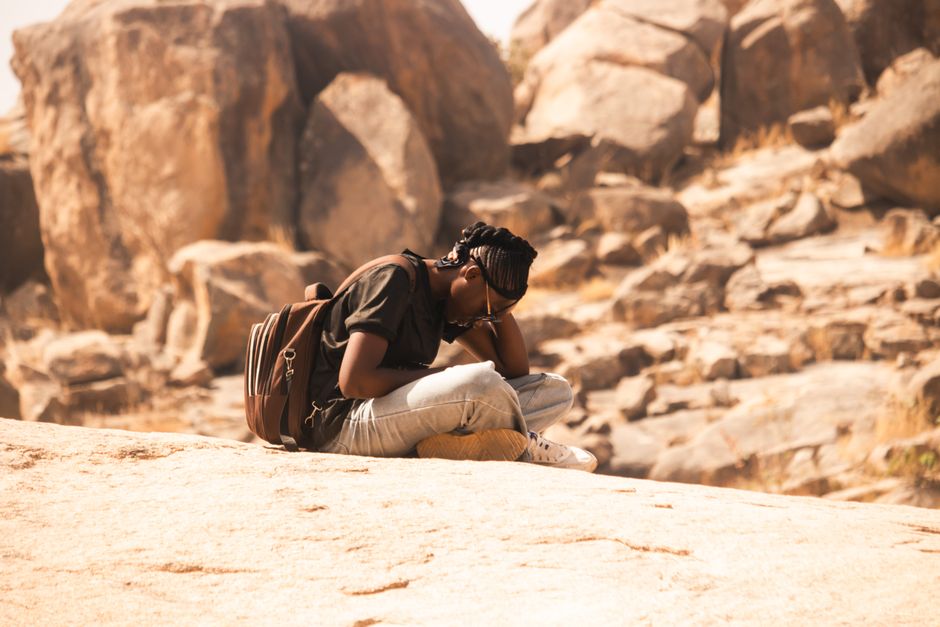
Backpacking is one of the most thrilling ways to explore the world. Whether you're a seasoned traveler or a first-time explorer, the thrill of packing your life into a backpack and setting off on a new adventure is unmatched. But when it comes to backpacking on a budget, especially in a vibrant country like Nigeria, there are many considerations to ensure you get the most out of your experience without breaking the bank.
Nigeria offers diverse landscapes, rich cultures, and bustling cities that are perfect for those with a spirit of adventure. However, as with any travel destination, expenses can add up quickly if you don't plan carefully. In this guide, we'll cover essential tips and tricks to master backpacking in Nigeria without emptying your wallet.
From finding the best local transportation to choosing budget-friendly accommodations, we've compiled everything you need to know to make your Nigerian backpacking trip memorable and affordable. Let's dive in!
Understanding the Local Transport System
Public Transportation Options
Nigeria's public transportation system is both extensive and affordable. Using local options like buses, okadas (motorcycle taxis), and keke napeps (tricycles) can significantly cut down your travel costs.
- Buses: Ideal for long-distance travel between cities. They're cost-effective and offer a chance to see the countryside.
- Okadas: Best for short distances within urban areas. They're quick and can navigate congested traffic.
- Keke Napeps: These are three-wheeled tricycles perfect for navigating busy city streets at a low cost.
Tip: Always negotiate fares before starting your journey to avoid overpaying.
Carpooling and Ride-Sharing Apps
For backpackers looking for comfort and convenience, ride-sharing apps like Bolt and Uber are widely available in major cities.
While slightly more expensive than public transport, they offer safety and comfort, especially for late-night travels.
Pro Tip: Share rides with fellow backpackers to split costs and make new friends!
Finding Budget-Friendly Accommodations
Hostels and Guesthouses
Hostels are a backpacker’s best friend, offering affordable accommodations and a chance to meet fellow travelers.
Guesthouses, often run by locals, provide a more personalized experience and a window into Nigerian hospitality.
- Location: Choose hostels in safe neighborhoods that are close to public transport routes to save on commuting costs.
- Facilities: Opt for hostels with kitchen facilities to prepare your meals and reduce dining expenses.
Couchsurfing and Homestays
Platforms like Couchsurfing offer opportunities to stay with locals for free, providing cultural exchange and authentic experiences.
Remember: Always read reviews and verify hosts before confirming your stay to ensure safety.
Savoring Nigerian Cuisine on a Budget
Street Food Delights
Nigerian street food is not only delicious but also incredibly affordable. Popular options include suya (spicy meat skewer), puff-puff (fried dough balls), and jollof rice.
- Seek out local markets for fresh, cheap meals.
- Try to eat where the locals eat to ensure food safety and authenticity.
Cooking Your Own Meals
Many hostels and guesthouses offer kitchen facilities. Visit local markets to buy fresh ingredients and cook your meals for a fraction of the restaurant price.
Cooking Tip: Stock up on staple ingredients like rice, beans, and fresh vegetables to prepare easy and nutritious meals.
Exploring Cultural and Natural Attractions
Free and Low-Cost Attractions
Nigeria is teeming with cultural landmarks and natural wonders that you can explore for free or a nominal fee.
- National Parks: Places like Yankari National Park offer hiking and wildlife viewing opportunities at budget-friendly prices.
- Local Festivals: Participating in local festivals can be a cost-effective way to experience Nigerian culture firsthand.
Utilizing Student and Youth Discounts
If you're a student or under 26, you can access discounts at many attractions with a student ID or youth travel card.
Check: Always ask about available discounts at ticket counters.
Staying Safe While Traveling
Health and Safety Considerations
Prioritize your health by staying hydrated, using insect repellent, and being cautious about food and water quality.
It's crucial to stay informed about any travel advisories and follow local guidelines to ensure a safe adventure.
Stay Connected: Keep your emergency contacts updated and maintain regular communication with family and friends.
Protecting Your Valuables
Always use a money belt or hidden pouch to keep your valuables safe. Opt for accommodations with good security measures, like lockers and 24-hour reception.
Street Smart: Avoid displaying expensive gadgets or large sums of cash in public.
Conclusion
Backpacking in Nigeria on a budget is not only possible but also incredibly rewarding. By tapping into local resources and embracing a frugal mindset, you can uncover the nation's hidden gems and create unforgettable memories. Remember, the key to a successful backpacking trip lies in thorough planning, an open mind, and a sense of adventure. So pack your bags, embrace the journey, and explore the vibrant landscapes and cultures of Nigeria without breaking the bank!