Abuja, the capital of Nigeria, is a city of contrasts, where modern architecture meets local culture. My recent budget trip there was filled with vibrant experiences and a few lessons learned. If I could go back in time, there are several things I’d do differently to enhance the experience and save more money.
Traveling on a budget can be rewarding, but it also comes with its challenges. Here’s a retrospective look at what I’d change and some tips for future travelers planning a budget trip to Abuja.
Choosing the Right Accommodation
Hostels Over Hotels
During my initial visit, I opted for a budget hotel thinking it would offer the best mix of comfort and cost. While the hotel was decent, I later realized I could have saved more by choosing hostels. Hostels are not just cheaper, but they also offer a chance to meet other travelers, and sometimes even include meals.
Next time, I’d look into hostels like the Abuja Backpackers Hostel, which offers dormitory-style accommodation and a friendly communal atmosphere.
Airbnb Local Experiences
Although Airbnb is often associated with pricey stays, it can be a cost-effective option if you know where to look. Unlike hotels, some Airbnb hosts offer not just a place to stay but also local experiences, which can be invaluable and enriching.
“Consider staying in a shared Airbnb to get the best of local life and cut costs.”
Eating on a Budget
Street Food Stalls
While I mostly ate at budget restaurants during my trip, I wish I had embraced Abuja’s vibrant street food scene more. Vendors offer everything from suya (spicy meat skewer) to akara (bean cakes), and prices are a fraction of what you’d pay in a restaurant.
For travelers, sampling street food not only saves money but also provides an authentic taste of Nigerian cuisine.
Local Markets
Shopping for fresh produce at local markets like Wuse has its advantages. Not only are the fruits and vegetables fresh, but they’re also incredibly affordable.
“Buying fresh produce from markets allows for budget-friendly, healthy meals.”
Efficient Transportation
Public Transport vs. Taxis
I primarily relied on taxis during my stay, which quickly added up. Although convenient, taxis are more expensive compared to public transport options like buses or even the local okada (motorbike taxis).
Next time, I’d familiarize myself with the bus routes and use okadas for short distances.
Walking Tours
Another great way to save on transport costs while exploring the city is by joining walking tours. These are often cheaper and provide an intimate view of the city.
Activities and Sightseeing
Free Attractions
Abuja has several attractions that are free or cost very little to visit. Instead of spending money on expensive guided tours, I’d focus more on these.
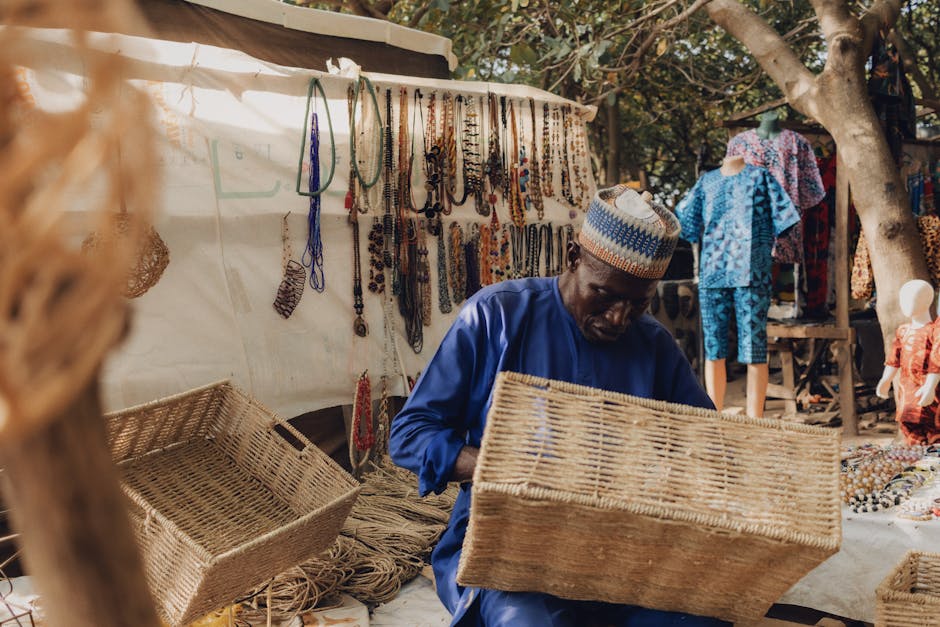
Places like the Millennium Park or the Art and Craft Village offer enriching experiences without the hefty price tag.
Local Events
One thing I regret missing is local events, which are often free and offer a deep dive into the local culture. Checking out local event calendars could provide opportunities for unique experiences.
“Engaging with local events is a great way to experience Abuja’s culture without breaking the bank.”
Conclusion
Traveling to Abuja on a budget is entirely feasible when armed with the right knowledge. Reflecting on my trip, these are the changes I’d make to enhance the experience and save money. Whether you’re planning your first visit or returning, consider these tips to make the most of your time in Abuja.


